Open 24/7, Monday to Sunday | Serving Vancouver since 2020(360) 934-8117
Ian Dumpster RentalDumpster Rental Vancouver, WA
Dumpster Rental Vancouver, WA

Local debris service

Dumpster Rental Vancouver, WA

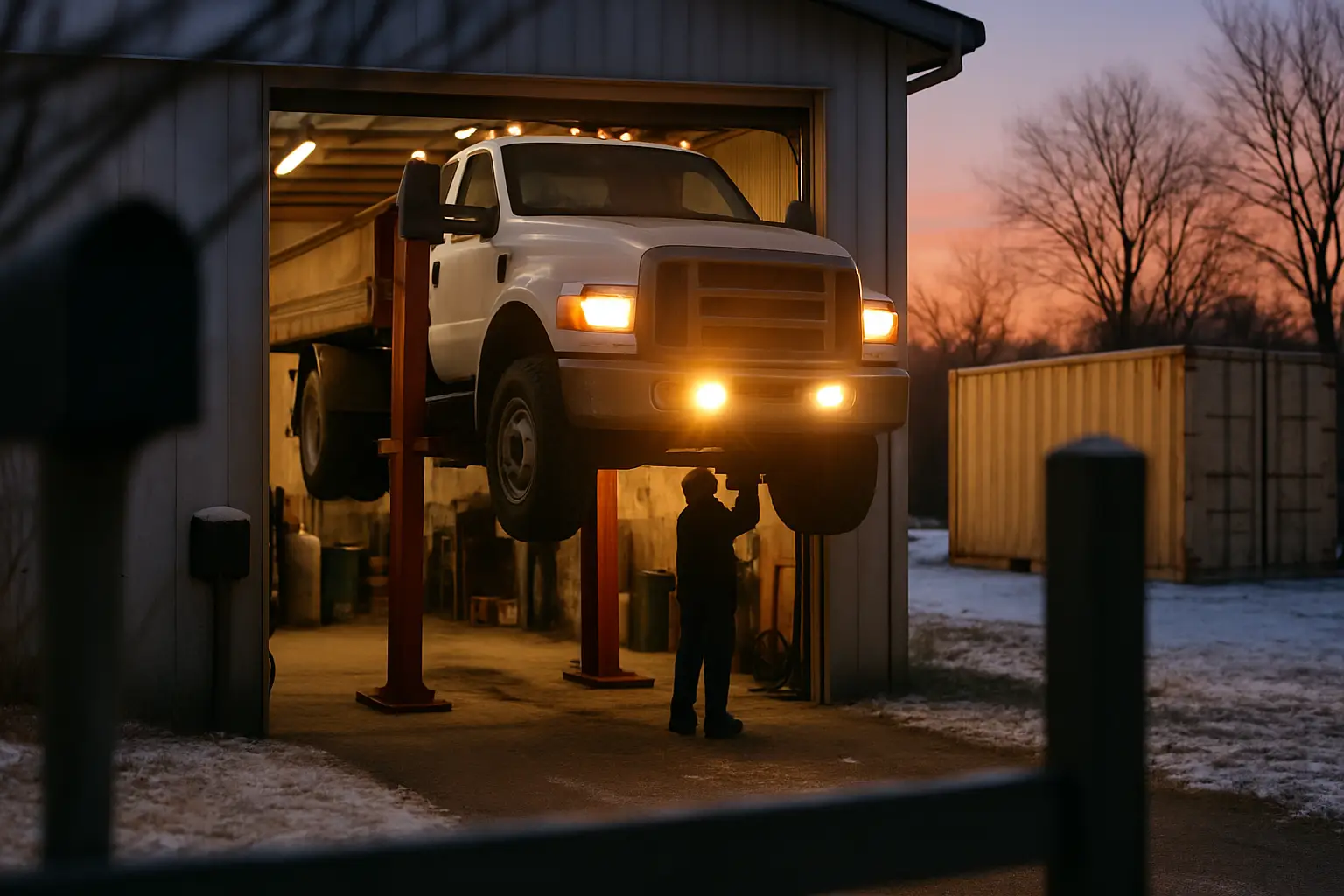
Ian Dumpster Rental confirms access and debris limits before delivery, with placement details recorded for the driver.

Dumpster Rental Vancouver, WA is how Ian Dumpster Rental helps homeowners, contractors, landlords, and businesses remove project debris without guessing at container size or placement. We deliver across Vancouver 24/7, Monday to Sunday, and match the container to the material, access route, and space available at your property.

  • Licensed, bonded and insured
  • Serving since 2020
  • 4182+ containers delivered
  • Open 24/7, Monday to Sunday
  • Serving Clark County

Project options

Vancouver dumpster sizes follow the work

Select the job type that most closely matches your cleanup. A project description helps determine container size, loading method, placement, and whether the material has special weight or handling concerns.

  • Residential Cleanout Dumpsters

    For garages, attics, basements, and household clutter, the main question is how densely the material will load. Keep doors, walkways, and utility access clear. Ian Dumpster Rental can help compare a smaller container against a larger one before the delivery location is confirmed.

    Household projects
  • Home Renovation Dumpsters

    Bathroom, kitchen, flooring, and remodeling debris often mixes bulky pieces with dense material. Cabinets and framing take space, while tile and masonry add weight. Describe the renovation stage and planned loading area so the container fits the work without crowding the driveway.

    Remodel debris
  • Moving and Estate Cleanouts

    Move-outs and estate cleanouts may include furniture, boxes, appliances, and worn fixtures. Sort reusable items before loading and keep heavier pieces distributed instead of piling everything at one end. A quick review of the property and debris helps avoid an undersized container.

    Move-out service
  • Yard Waste Dumpsters

    Branches, brush, sod, and storm cleanup can fill a container faster than expected because loose yard material does not settle evenly. Cut long limbs where practical and identify whether soil, rocks, or treated material is included before delivery planning begins.

    Outdoor cleanup
  • Roofing and Construction Dumpsters

    Roofing tear-offs, siding, drywall, lumber, and renovation scraps require attention to both volume and weight. Keep loads level and avoid extending material above the rim. Ian Dumpster Rental can discuss the roof area, building access, and surface where the container will sit.

    Building debris
  • Concrete and Heavy Debris Dumpsters

    Concrete, brick, block, dirt, and stone can exceed a container's practical weight limit before it looks full. These materials need a different conversation from household debris. Provide the material type and approximate scope so the delivery plan does not rely on volume alone.

    Heavy material
  • Same-Day Dumpster Delivery

    Same-day service depends on current equipment, driver routing, safe access, and the type of debris involved. It cannot be promised before those details are checked. If the project is ready, provide the placement address and material information so availability can be discussed clearly.

    Urgent cleanup
  • Commercial Jobsite Dumpsters

    Commercial work often needs larger capacity, repeat coordination, or placement around crews and equipment. Share the site entrance, surface conditions, loading pattern, and project stage. Ian Dumpster Rental can then determine whether a larger container or a planned exchange makes sense.

    Commercial work
  • Recurring Business Waste Dumpsters

    Businesses with ongoing debris need a service plan that accounts for material changes, collection access, and days when the loading area is occupied. Explain the waste stream and site routine before scheduling. A recurring arrangement should fit the operation, not interfere with it.

    Ongoing service

Local operator

Vancouver projects need more than a container

Ian Dumpster Rental provides practical container service for Vancouver properties, from older homes near downtown to newer construction around Felida and Salmon Creek. The job starts before the truck moves. We discuss the debris, check the intended placement, and account for driveway width, overhead branches, slopes, and the turning room needed to lower a container safely. That conversation can prevent a blocked garage, a damaged surface, or a container that is too small for the work. Licensed, bonded and insured, Ian Dumpster Rental has served the area since 2020 and has delivered 4182+ containers. The goal is simple: put the appropriate container where it can be used safely, then coordinate removal around the project.

Vancouver properties do not all load the same way. A light garage cleanout may need a different container than a roofing tear-off, even when the pile looks similar at first. Concrete, soil, shingles, appliances, and demolition material become heavy quickly, so the container choice must account for both volume and weight. Ian Dumpster Rental can explain the practical limit for your material before delivery and identify when a smaller container is the more sensible choice. Service is available 24/7, Monday to Sunday. Have the address, material list, preferred placement, and any access concerns ready so the delivery plan reflects the actual property rather than a generic estimate.
Why Ian Dumpster Rental

Good placement prevents expensive problems

  1. The truck plan is specific

    Ian Dumpster Rental confirms placement access and debris type before every delivery. That means the conversation includes the actual driveway, gate, street position, overhead clearance, and material being loaded. A container that fits the property but cannot be reached is not a useful delivery, so access is treated as part of the job rather than an afterthought.

  2. Size advice stays practical

    The biggest container is not automatically the best container. Light bulky waste may need room, while concrete, dirt, and masonry may become too heavy long before the container is full. We explain that difference plainly and can recommend a smaller option when it suits the work, leaving more room on the property and reducing unnecessary capacity.

  3. Local conditions affect placement

    Vancouver has older driveways, newer subdivisions, narrow side access, sloped lots, mature trees, and streets with active traffic. Wet weather can soften unpaved ground, while summer projects may compete for driveway space. Describing those conditions before scheduling gives the driver useful information and helps the container land where the crew can actually load it.

How it works

The delivery plan starts with site details

  1. Describe the project

    Start with the material, approximate volume, project type, and desired timing. Mention concrete, soil, roofing, appliances, brush, or other dense items because the contents affect the practical container choice more than a pile's appearance does.

  2. Review the placement

    Identify where the container should sit and what the truck must cross to reach it. Driveway width, overhead wires, low branches, gates, grades, soft ground, and nearby vehicles can all change the safest placement plan.

  3. Confirm access conditions

    The driver needs a usable approach and enough room to position the container without striking structures or landscaping. Move parked cars, unlock gates, protect known vulnerable surfaces, and explain any tight turn or shared driveway before delivery.

  4. Load with the material in mind

    Load evenly, keep debris below the rim, and do not mix restricted or unusually heavy material without discussing it first. Place dense items across the floor instead of concentrating them at one end or adding unnecessary pressure to the container.

  5. Coordinate removal

    When the work is complete, keep the access route open and tell us the container is ready for pickup. If the project changes, discuss the next step before adding material that could exceed the planned size or weight.

Related options

Some cleanups need a different service

Placement planning

Where a Vancouver container can sit safely

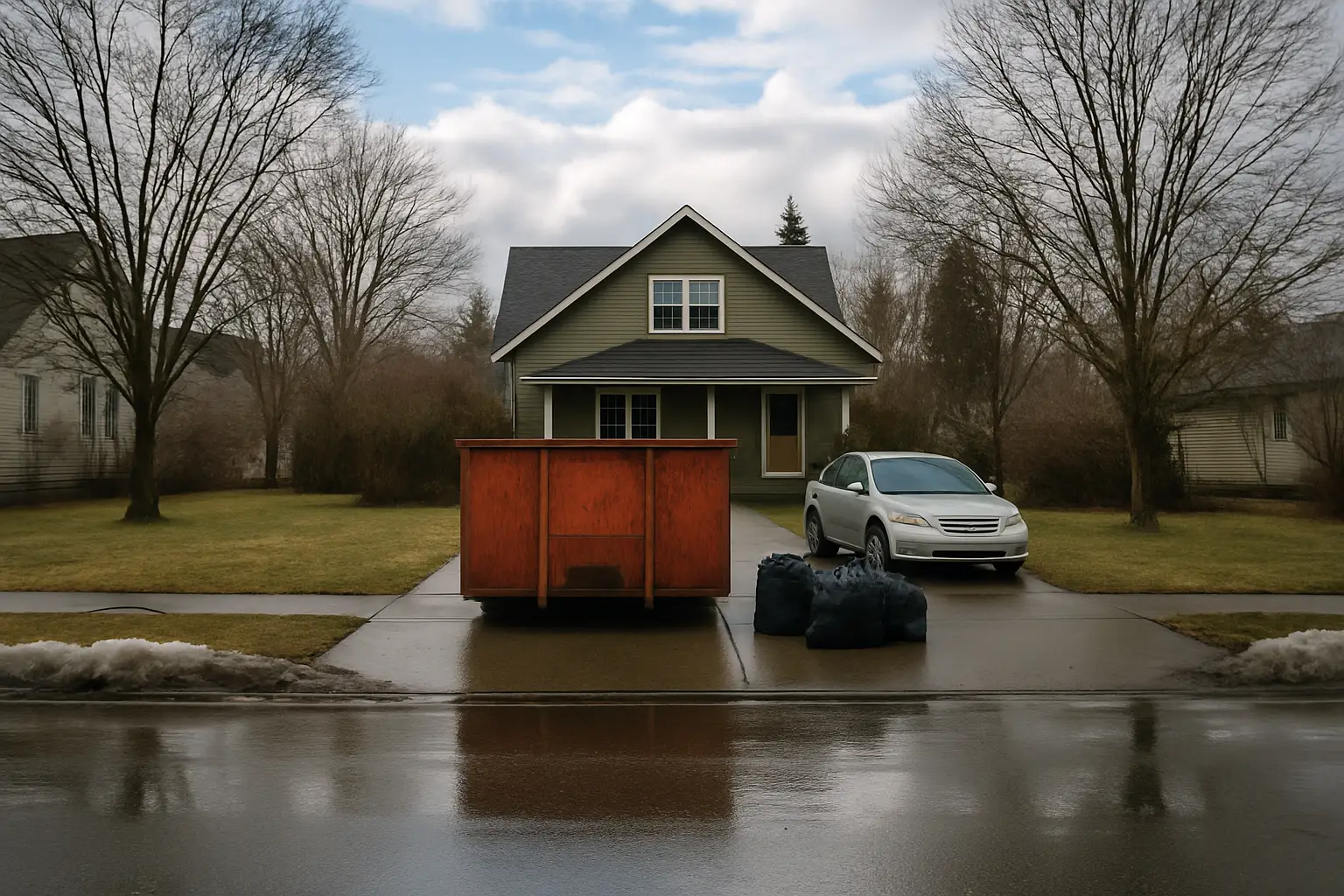
In Vancouver, a driveway is usually the simplest placement because it keeps the container off moving traffic and gives the truck a predictable surface. That does not make every driveway suitable. Older homes near downtown may have narrow approaches, detached garages, overhead branches, or retaining edges. Newer neighborhoods can have tight lots, shared drives, sidewalk crossings, and vehicles competing for the same space. A container on a public street usually needs city permission first, so explain the intended location before delivery is scheduled. Avoid blocking hydrants, sight lines, mail access, sidewalks, or utility features. Wet ground near low areas can rut under equipment, and a sloped driveway may change where the container can be lowered safely.

The delivery truck needs more than the container's footprint. It needs a clear approach, enough width to enter, overhead clearance for the equipment, and room to align before setting the container down. Gates should be open, parked cars moved, and low branches identified in advance. Tell Ian Dumpster Rental about tight turns, shared driveways, soft shoulders, fences, retaining walls, and any route that passes over delicate paving. If the container must sit at the curb, confirm the location and any permission requirements before making arrangements. The safest placement is the one that lets the truck reach the spot without backing into landscaping, scraping structures, or leaving the container in a traffic path.

Material decisions

How Vancouver homes change size and weight choices

Vancouver's housing mix creates different debris patterns from one block to the next. Older houses may produce plaster, wood trim, cabinets, flooring, and accumulated garage material during renovation. Newer homes and subdivisions may generate drywall, packaging, framing scraps, and landscaping debris. Condos and multifamily properties often have less staging room and tighter access, even when the project is smaller. A move-out creates bulky furniture and boxes, while a roofing job creates dense, compact material that can become heavy quickly. Choose by both the space the debris occupies and the weight the container can reasonably carry. A large-looking pile of light material is not the same problem as a modest pile of concrete, tile, dirt, or brick.

Weather adds another local consideration. Wet Pacific Northwest yard debris can become heavier, and rain can soften unpaved or recently disturbed ground. During a remodel, separate unusually dense materials from ordinary household debris when possible and describe them before delivery. Do not assume a half-full container is automatically within a safe weight range. Ian Dumpster Rental can compare the material, project scope, and access conditions before recommending a size. If a smaller container fits the weight better, that may be the sounder choice even when a larger container seems more convenient. Have the building type, debris list, and approximate work area ready for a useful discussion.

Service standards

What every delivery plan should cover

  • Material type determines whether volume or weight is the main planning concern.
  • Placement must leave the truck a clear, stable approach to the property.
  • Driveways should be checked for slope, clearance, surface condition, and vehicle access.
  • Overhead branches and utility lines need attention before the container arrives.
  • Loading evenly helps prevent shifting material and uneven pressure inside the container.
  • Dense debris should never be treated like ordinary household volume.
  • Customers should keep gates, parked vehicles, and work areas clear for pickup.
  • Weather and ground conditions can change the safest placement for a container.

Common questions

Answers before you schedule a dumpster

What size dumpster do I need in Vancouver?

The right size depends on the material, how bulky it is, and how much space the project will produce. A small bathroom remodel differs from a move-out, while concrete and dirt need weight planning before volume planning. Vancouver homes with narrow driveways may also require a smaller footprint. Have the project type, debris list, and placement area ready so the size can be discussed accurately.

Can a dumpster go on my Vancouver street?

A container can sometimes be placed on a public street, but permission or other local requirements may apply before delivery. A driveway is usually simpler when it is stable and accessible. Tell us the exact street position, nearby sidewalk, traffic conditions, and property access before scheduling. Keep hydrants, sight lines, mail access, and pedestrian routes clear while the placement is being reviewed.

What do I need to do before dumpster delivery?

Clear the planned placement and truck approach of vehicles, branches, gates, toys, and other obstructions. Confirm that the ground is stable and that the truck can reach the location without tight turns or low clearance. Vancouver rain can soften unpaved areas, so mention soft ground or a slope. Have the material list and any street or shared-driveway concerns ready before delivery details are finalized.

Can I put concrete or dirt in a dumpster?

Concrete and dirt may require a different size or loading plan because they become heavy quickly. Do not combine dense material with ordinary household debris without discussing the project first. Vancouver remodeling and landscaping jobs often produce material that looks manageable but exceeds a practical weight limit before the container is full. Identify the material, approximate amount, and loading location so the safest option can be considered.

How full can I load a dumpster?

Load debris evenly and keep it below the container rim so material does not fall during handling or transport. Do not stack unstable items above the sides or concentrate heavy debris in one area. This matters on Vancouver roofing, remodeling, and cleanout projects where materials vary sharply in density. Break down bulky items when practical and ask about unusual materials before adding them.

Can I get a dumpster delivered the same day in Vancouver?

Same-day delivery depends on equipment availability, driver routing, safe access, and the debris type, so it must be confirmed rather than assumed. A ready placement and clear material description help the scheduling conversation. Vancouver traffic, tight residential streets, and active construction areas can affect routing. Provide the address, desired placement, project status, and timing needs when asking about availability.

Is dumpster service available on weekends in Vancouver?

Ian Dumpster Rental is available 24/7, Monday to Sunday. Scheduling still depends on the container, driver route, access conditions, and project details being reviewed. Weekend work in Vancouver may involve shared driveways, neighborhood parking, or construction access that needs advance planning. Keep the placement clear and have the debris type, address, and preferred schedule ready for the call.

What should I do if my project produces more debris?

Stop before adding material that could exceed the planned capacity or weight and discuss the change. The next step may involve a different container, removal coordination, or a separate plan for dense debris. Vancouver remodels often uncover additional flooring, plaster, or framing once walls and floors open up. Explain what changed, how much material remains, and whether the access route is still clear.

Plan the delivery

Bring the property details to the call

Ian Dumpster Rental can review the project, material, container location, access route, and timing with you before delivery is arranged. Service is available 24/7, Monday to Sunday. A few accurate details about the Vancouver property are more useful than a rough guess based only on the size of the debris pile.

Phone

(360) 934-8117

The call covers project material, container size, placement access, scheduling, and any street or surface concerns.

Availability

24/7
Monday to Sunday, day and night

Have this ready

  • Property address and city
  • Debris type and project scope
  • Preferred container placement
  • Access, parking, and clearance details

Where we work

Vancouver, plus Camas, Portland, Washougal, Ridgefield, Battle Ground, La Center, Gresham, Woodland, Troutdale and Hillsboro.

See the full service area list

Get the container plan right before delivery

Tell Ian Dumpster Rental what you are removing, where the container should sit, and what the truck will face on arrival. Clear details help avoid a poor placement or an undersized choice for your Vancouver project.

Click Here to Call(360) 934-8117

Local coverage

Dumpster service across the Vancouver area

Ian Dumpster Rental serves Vancouver and nearby communities across Clark County and the Portland metro area. Coverage includes Camas, Washougal, Ridgefield, Battle Ground, La Center, Woodland, Gresham, Troutdale, and Hillsboro. Each delivery still requires a property-specific review because street access, driveway layout, terrain, and debris type can change the plan.

Downtown VancouverFelidaSalmon CreekCascade ParkArnadaEsther ShortFourth Plain VillageEast Vancouver

Dumpster Rental in nearby towns

Click Here to Call(360) 934-8117